
Protecting Property From Overgrown or Damaged Trees
Tree Trimming and Removal in Loveland for properties with limbs threatening roofs, utilities, or structural safety
Branches pressing against siding, dead limbs hanging over structures, and trees growing too close to power lines create hazards that worsen with every storm season. Efficient Exteriors & Roofing, LLC handles tree trimming and removal for residential properties where overgrown or compromised trees put homes and outdoor spaces at risk. Northern Colorado's seasonal wind events and heavy spring snow loads accelerate the failure of weakened branches, making proactive removal a practical step rather than an emergency response.
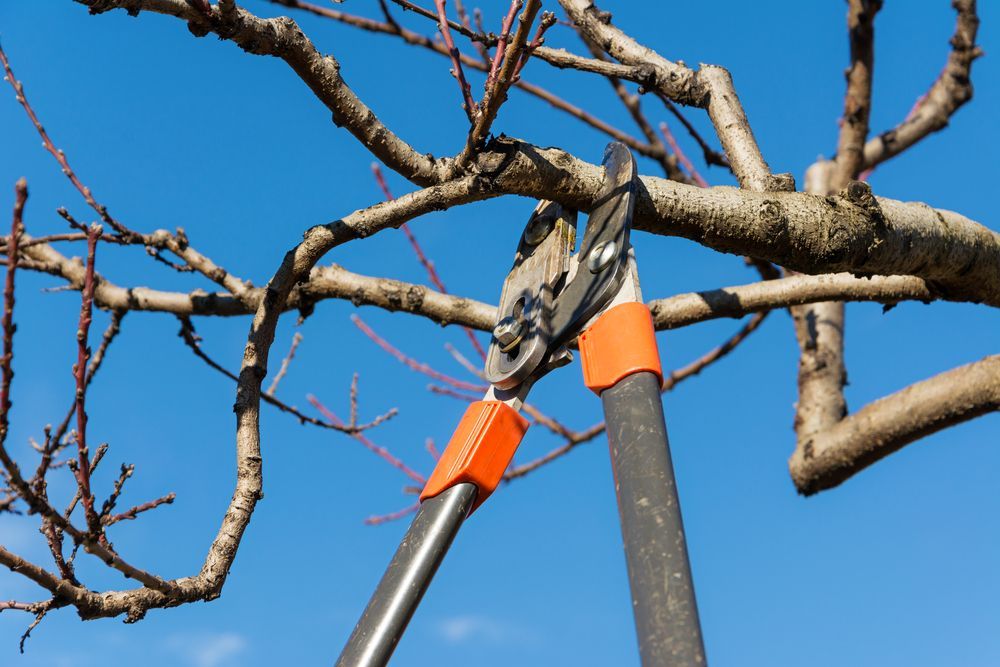
Tree trimming addresses structural conflicts before damage occurs, removing limbs that scrape roofing materials, block gutters, or overhang driveways and walkways. Full removal becomes necessary when root systems destabilize foundations, when disease spreads through the canopy, or when storm damage splits the trunk beyond recovery. Both services require rigging equipment and controlled cutting sequences to prevent secondary damage during the work itself.
Schedule a property evaluation to identify which trees require trimming and which present removal-level risks.
What Proper Tree Work Prevents Long-Term
Trimming begins with an assessment of branch weight distribution, proximity to structures, and signs of decay or pest activity. Cuts are made at specific collar points to promote healthy regrowth and prevent tearing that invites fungal infection. Removal involves sectional dismantling when trees stand near buildings or fences, with each cut planned to control the direction and speed of descent.
After completion, you'll notice cleared sightlines, restored roof access for maintenance, and elimination of the scraping sounds that occur during wind. Stumps are ground below grade to allow landscaping or hardscaping to resume in the same footprint. Debris is hauled off-site, leaving the yard ready for immediate use without piles of slash or fragmented wood.
The service does not include planting replacements or treating remaining trees for disease, but it does restore safe clearances around structures and utilities. Properties with multiple problem trees often benefit from phased removal scheduled around budget cycles or seasonal access conditions.
Questions Before Starting Your Project
Tree work in residential settings raises questions about timing, equipment access, and what gets left behind once the cutting is done.
- What determines whether a tree needs full removal or just trimming? Trees with structural cracks, hollow trunks, or root heave require removal, while those with isolated dead limbs or overgrowth respond to selective trimming that preserves the healthy canopy.
- How is stump grinding different from stump removal? Grinding reduces the stump to wood chips several inches below soil level, allowing grass or planting to cover the area, while full extraction pulls the root ball and leaves a crater that requires fill and grading.
- When is the best time to schedule tree work in Loveland? Late fall through early spring offers the easiest access for equipment, frozen ground that minimizes turf damage, and dormant trees that bleed less sap during cutting.
- What happens to the wood and branches after removal? All debris is chipped or hauled off-site as part of the service, with larger trunk sections available for firewood by arrangement if you have storage space and splitting equipment.
- How close can a tree be to a house before it becomes a removal priority? Any tree with branches contacting the roof, roots lifting foundation edges, or a lean angle pointed toward the structure should be evaluated for removal rather than ongoing trimming.
Efficient Exteriors & Roofing, LLC works with property owners across Northern Colorado to assess which trees pose immediate risks and which can be managed through periodic maintenance. Arrange an on-site consultation to review clearance requirements and removal sequencing for your specific landscape.